
Electromagnetic interference (EMI) can disrupt signals, corrupt data, and bring critical equipment down. One critical component that helps combat this issue is the EMC cable gland.
This article explains what they are, why they matter, and what Weyer offers for your applications.
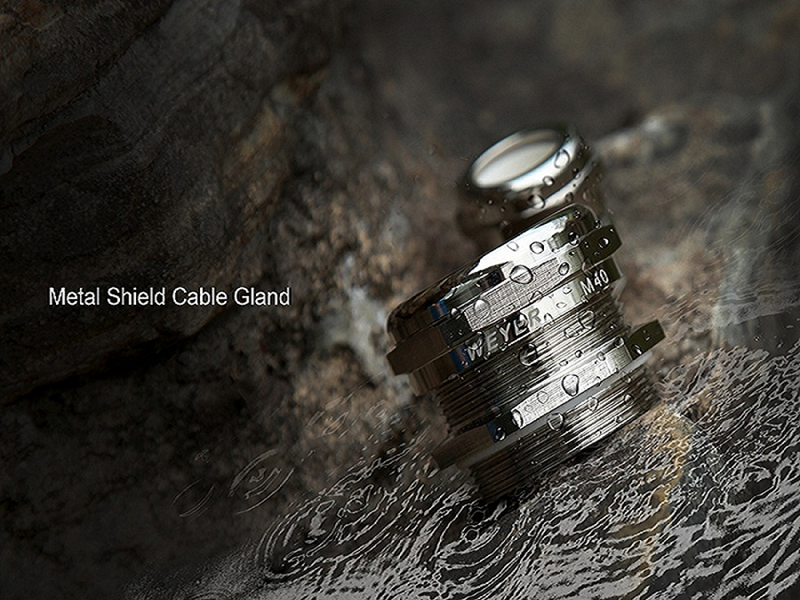
What Is an EMC Cable Gland?
An EMC cable gland is a device that secures cables entering or exiting an enclosure while providing a conductive path that drains EMI away from sensitive electronics. Unlike standard cable glands, which focus only on clamping and sealing, EMC versions preserve the electrical continuity of the cable screen.
In short, they keep moisture and dust out, while blocking electromagnetic interference from entering.
Why They’re Essential
In applications like variable frequency drives, servo motors, railway control systems, and 5G base stations, even minor EMI can cause major problems like false sensor signals, communication dropouts, or production stoppages.
By offering a low-impedance path to ground, EMC cable glands prevent the cable shield from acting as an antenna. They help your equipment meet compliance standards and, more importantly, keep it running reliably.
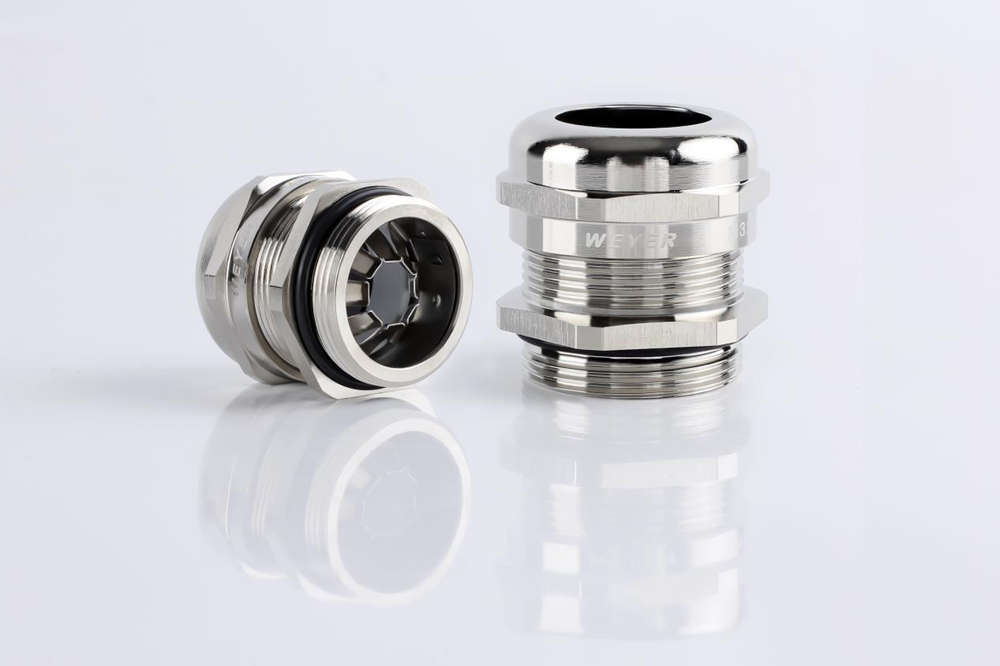
Our Solutions and Advantages
Weyer offers a full range of EMC cable glands for diverse applications: HSM-EMV series, HSM-EMV.SC series, and HSM.DS-EMV.SC series.
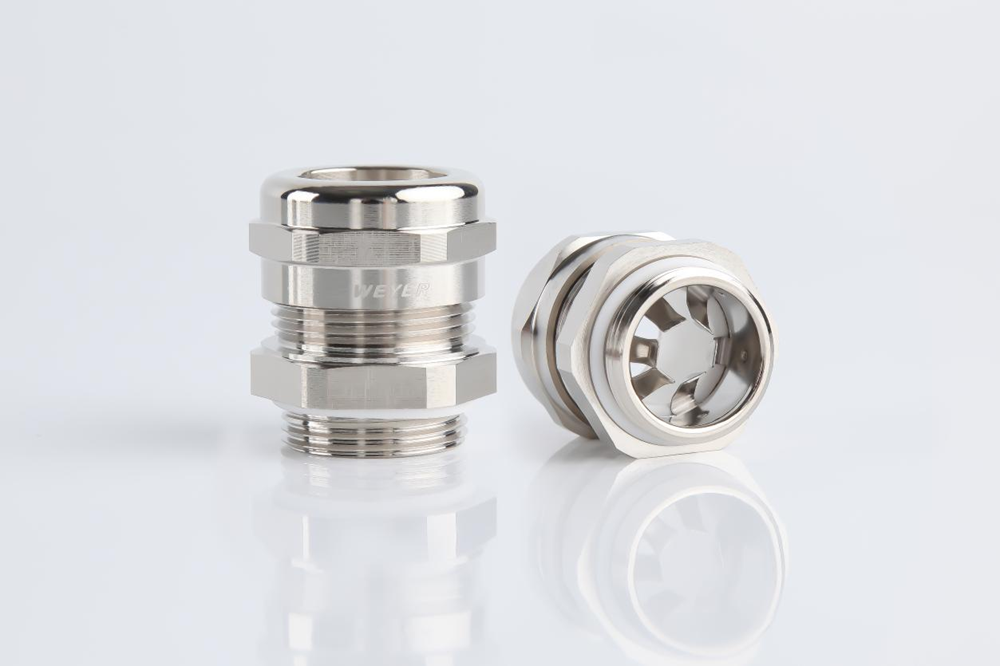
Installation Tips That Matter
Even the best gland fails if installed poorly. Two steps are critical:
After stripping the cable, fold the braided shield over the inner seal and beyond the sealing ring. This ensures 360° contact between shield and gland.
Remove any coating from the enclosure surface where the gland makes contact. This guarantees a low-resistance ground connection.
These small steps have a huge impact on shielding performance.
Selecting the right EMC cable gland is a small step that can protect your entire system from costly failures. Pay attention to materials, sealing, temperature range, and installation, and you will be well on your way.
Have a specific application? Contact us for samples or technical support. We are here to help.
Post time: Jul-01-2026